UN Sustainable Development Goals
Our initiatives are strategically aligned with the United Nations Sustainable Development Goals to ensure measurable global impact.


Project Stages

Stage 1
Pilot Design and Initial Implementation including a preliminary baseline and projection report & an implementation strategy.

Stage 2
Full Habitat Improvement and Digital Monitoring Implementation Rollout (potential sub-stages dependent on project budgetary considerations).

Stage 3
Digital Monitoring, Habitat Management and Maintenance. All progress are synchronized in real-time to the project dashboard .
Project Details


Site Location
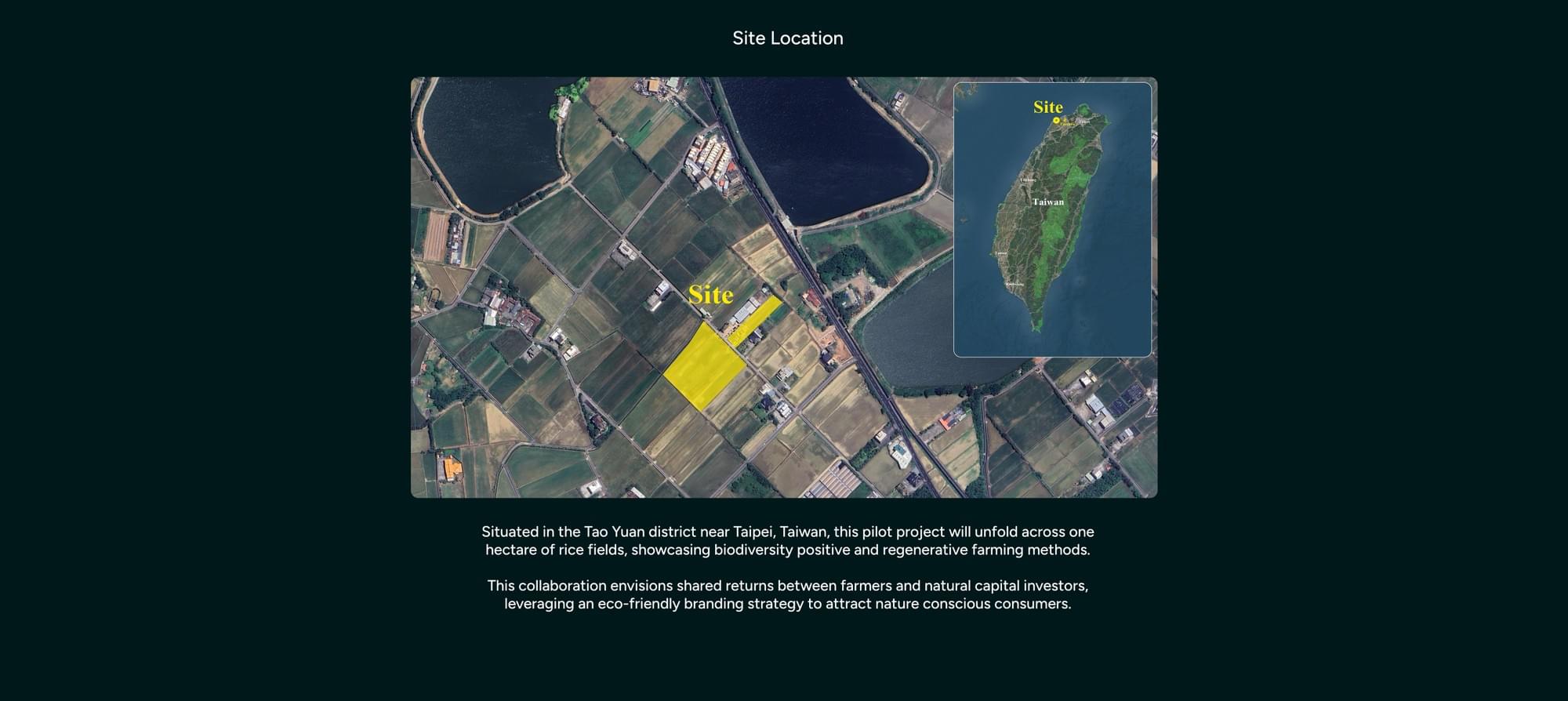
Situated in the Tao Yuan district near Taipei, Taiwan, this pilot project will unfold across one hectare of rice fields, showcasing biodiversity positive and regenerative farming methods (as followed).

Conventional Rice Farming

Regenerative Rice Farming
By integrating productive forest habitats into farming landscapes, it aims to enhance biodiversity while ensuring economic productivity—a delicate balance essential for long-term viability. Additionally, by adopting regenerative farming approaches, benefits in soil and water health (along gains in biodiversity performance) can be achieved in agriculturally productive land, fortifying the ecosystem's resilience and richness.
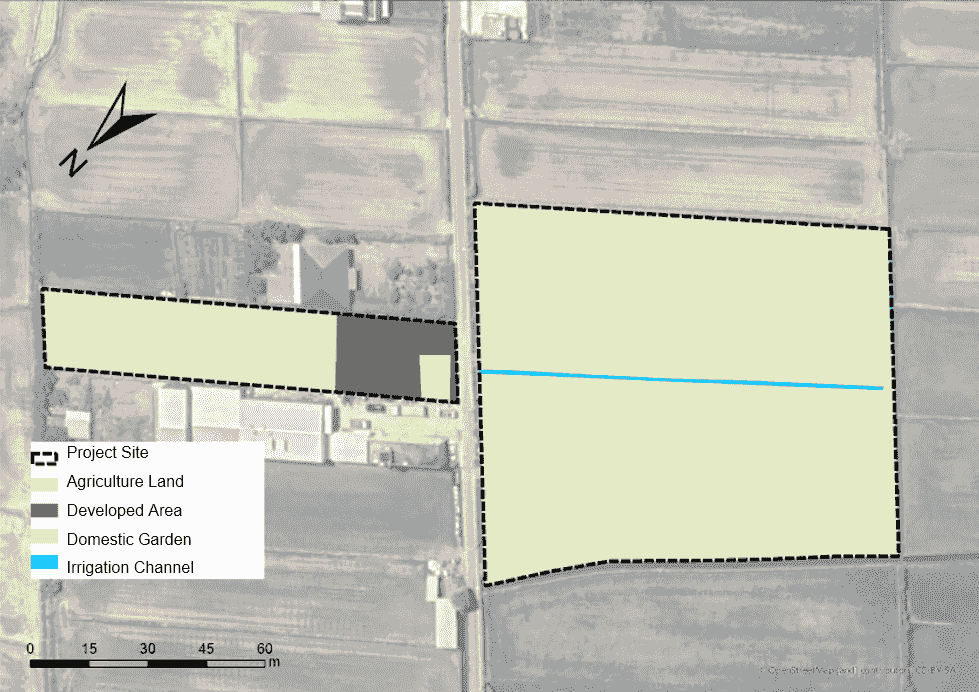
Baseline Habitat Type
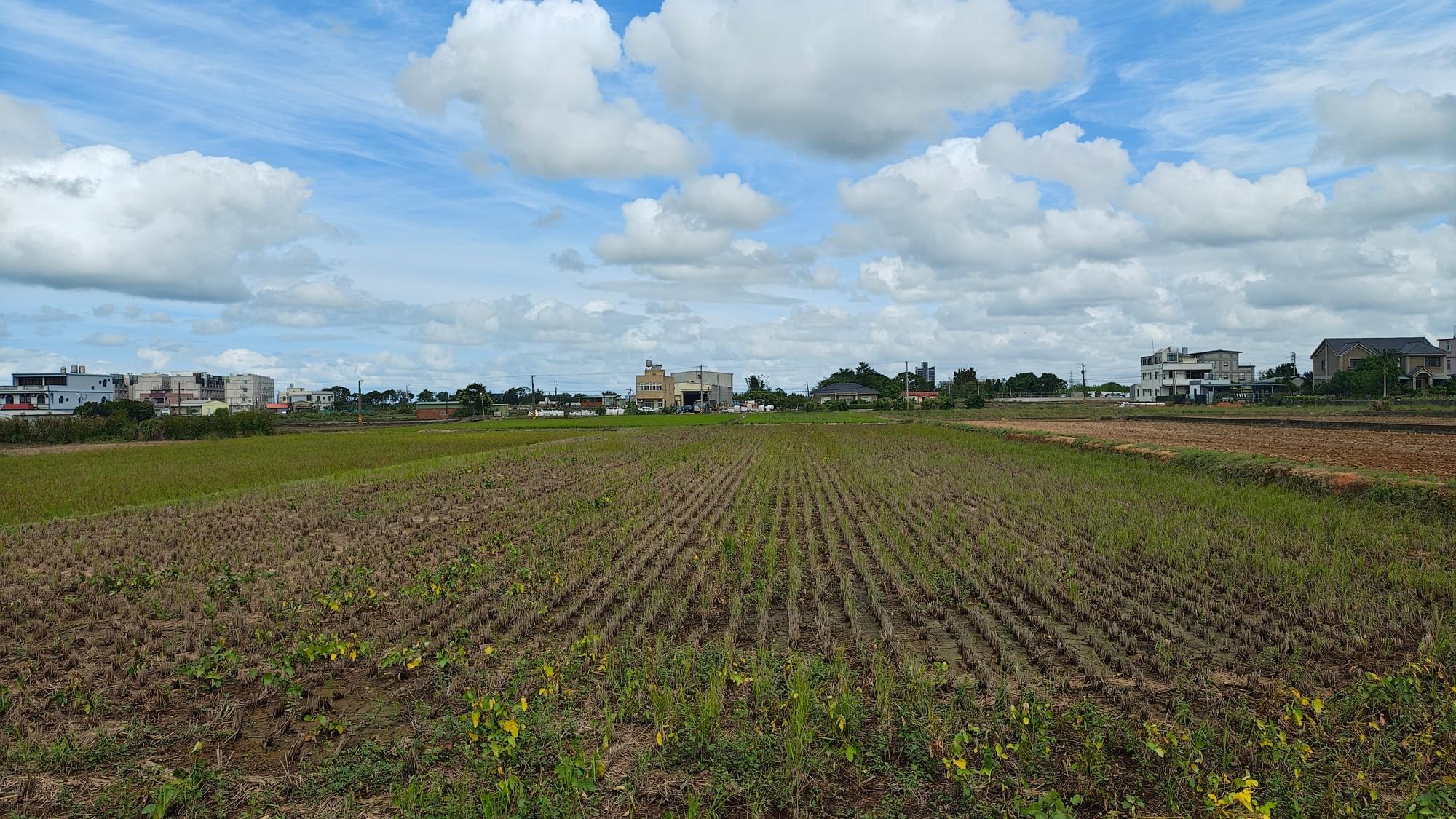
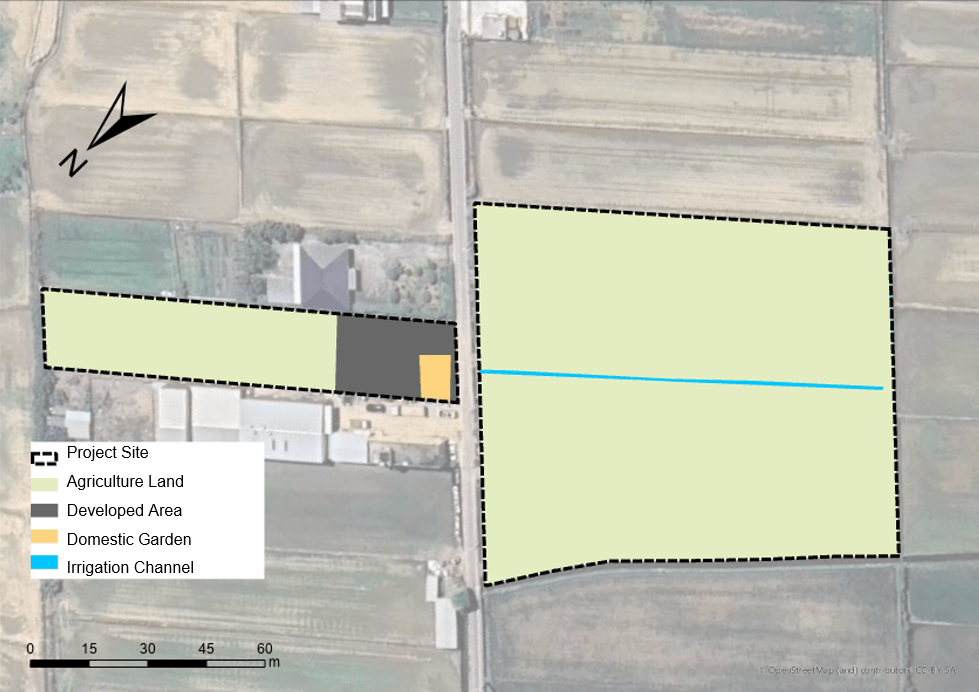
The study area is mostly agricultural land that is primarily used as rice paddy. Small areas of project area have been converted to developed area or domestic gardens. Irrigation channels run through and around the agricultural land, with water supplied by public water collection ponds.
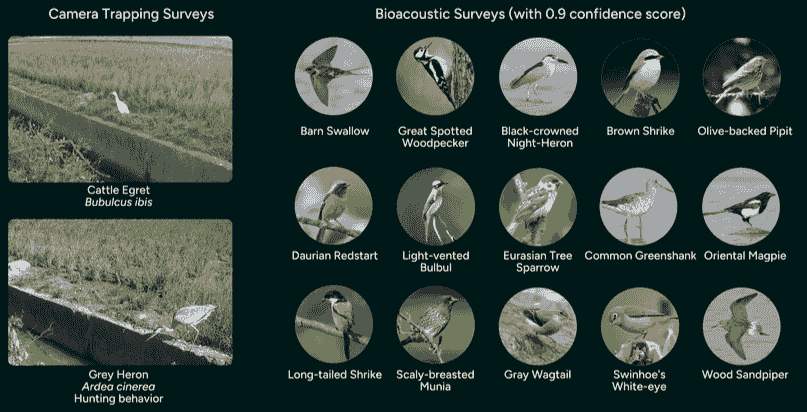
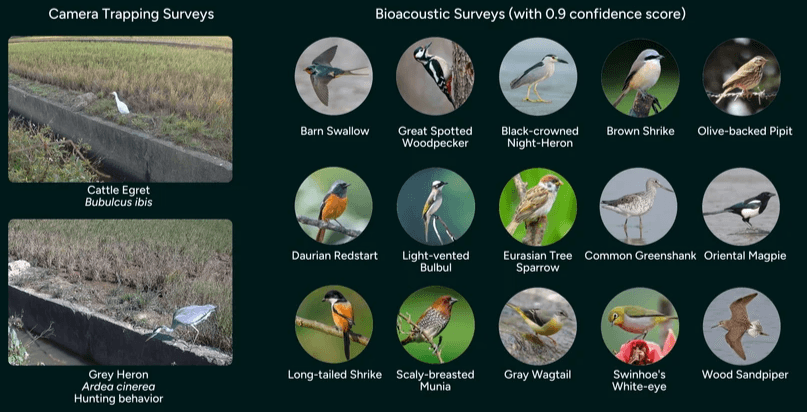
Biodiversity Survey
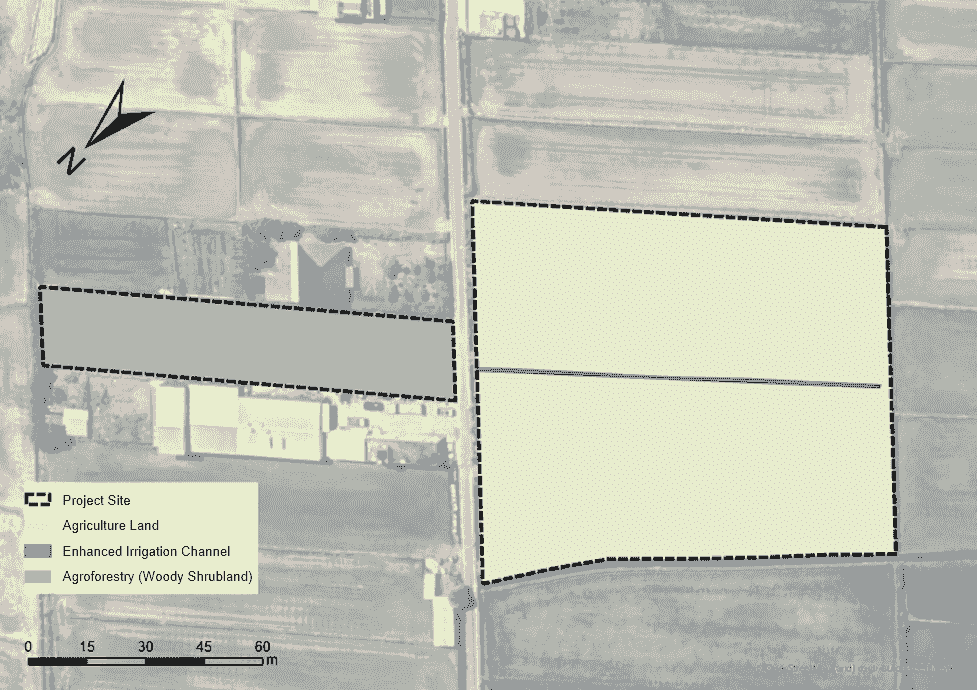
Projection Habitat Type
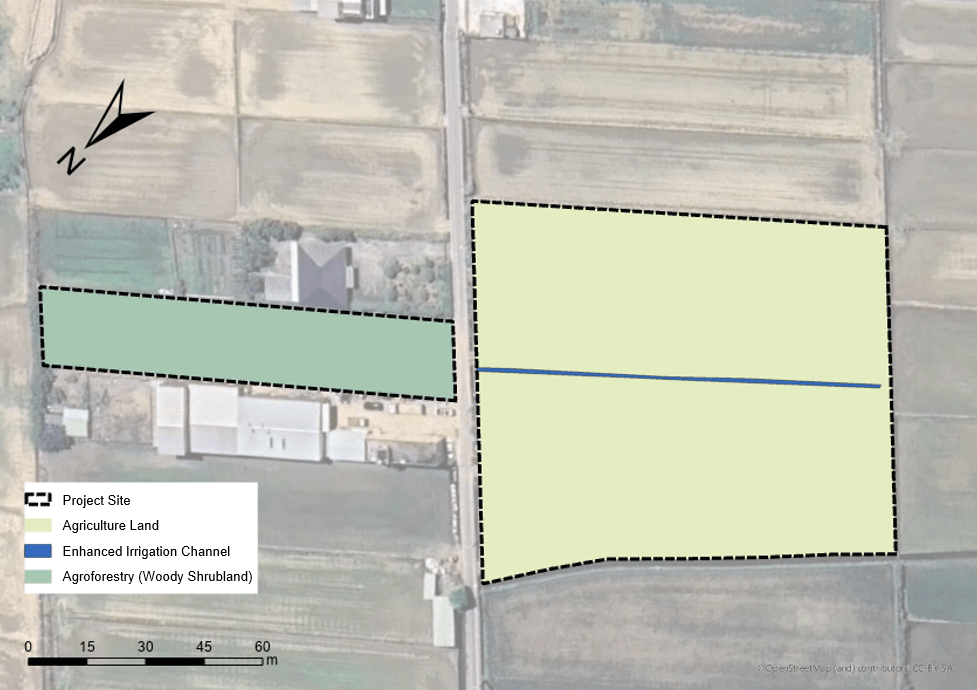
Revitalise abandoned farmland through agroforestry practices, integrating native fruit trees with multifunctional habitats. Larger parcel of agricultural land will undergo sustainable management to be eco-friendlier and more attractive to wildlife. Irrigation channels will be enhanced using gabion walls instead of concrete linings, improving ecological connectivity and habitat value while retaining essential hydraulic performance.
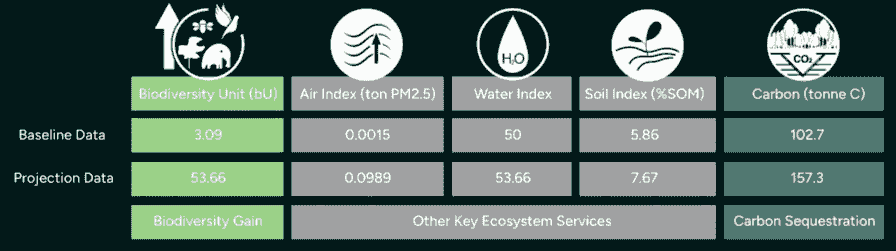
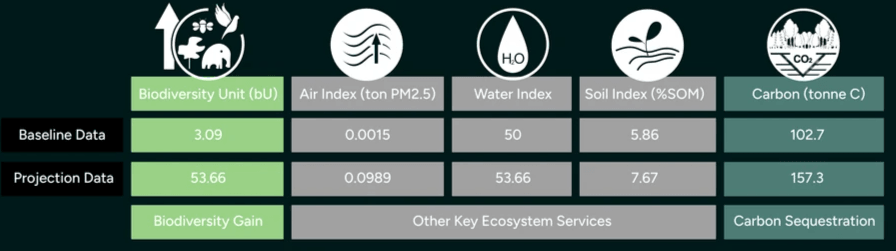
Natural Capital Index - Uplift Projection
Based on our methodology, from baseline to projection, all metrics show positive change: Biodiversity Unit +64.1% (3.09 → 5.07), Water Unit +7.3% (50 → 53.66), Soil Unit +30.9% (5.86 → 7.67), Air Pollutant Removal Potential from 0.0015 to 0.0989 kg/yr (over 64-fold increase), and Carbon Sequestration +53.2% (102.7 → 157.3 tonnes). These improvements collectively point to a significant enhancement of natural capital.