UN Sustainable Development Goals
Our initiatives are strategically aligned with the United Nations Sustainable Development Goals to ensure measurable global impact.


Project Stages

Stage 1
Pilot Design including a preliminary baseline and projection report.

Stage 2
Full Habitat Improvement (potential sub-stages dependent on project budgetary considerations).

Stage 3
Digital Monitoring, Habitat Management and Maintenance.
Project Details


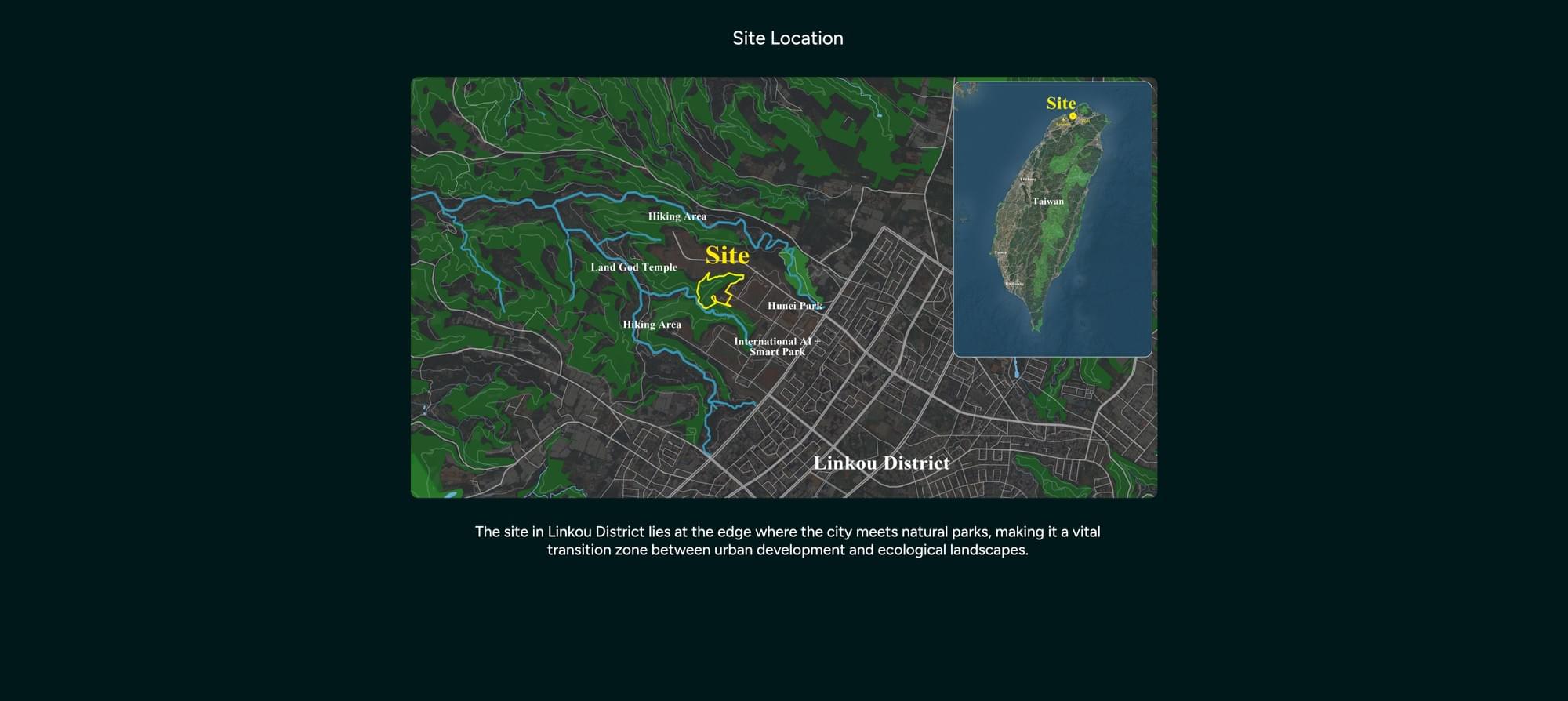
Site Location
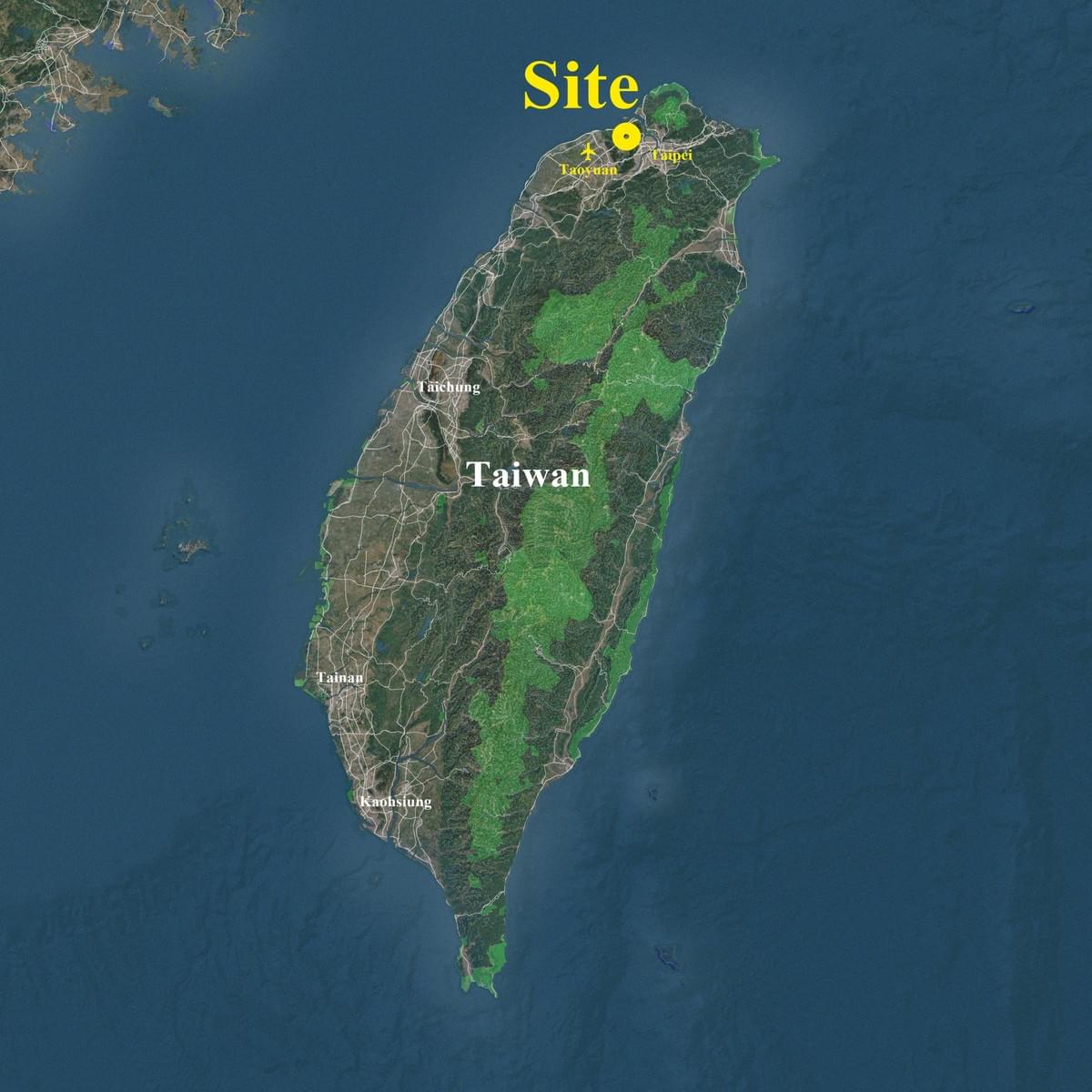
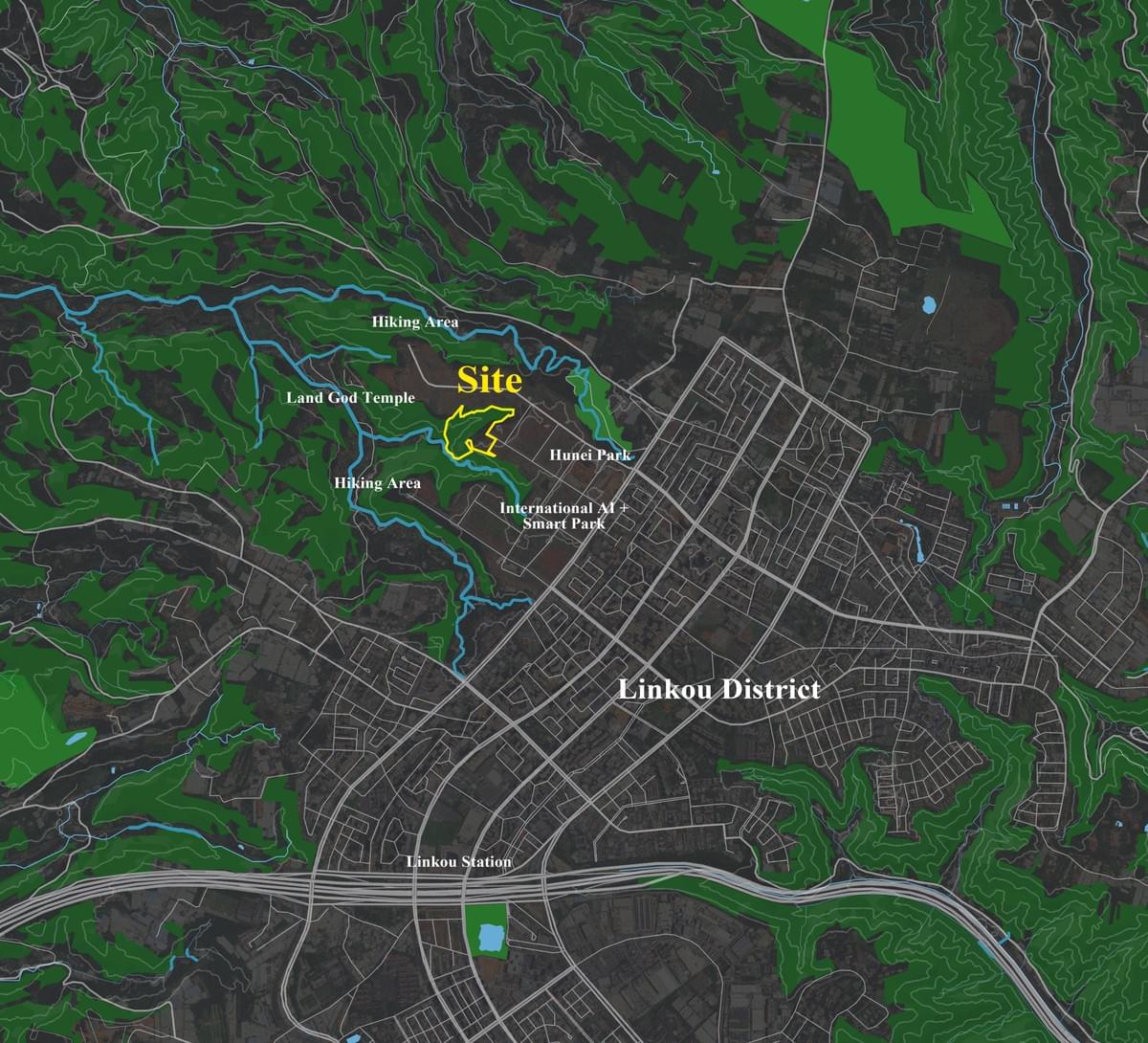
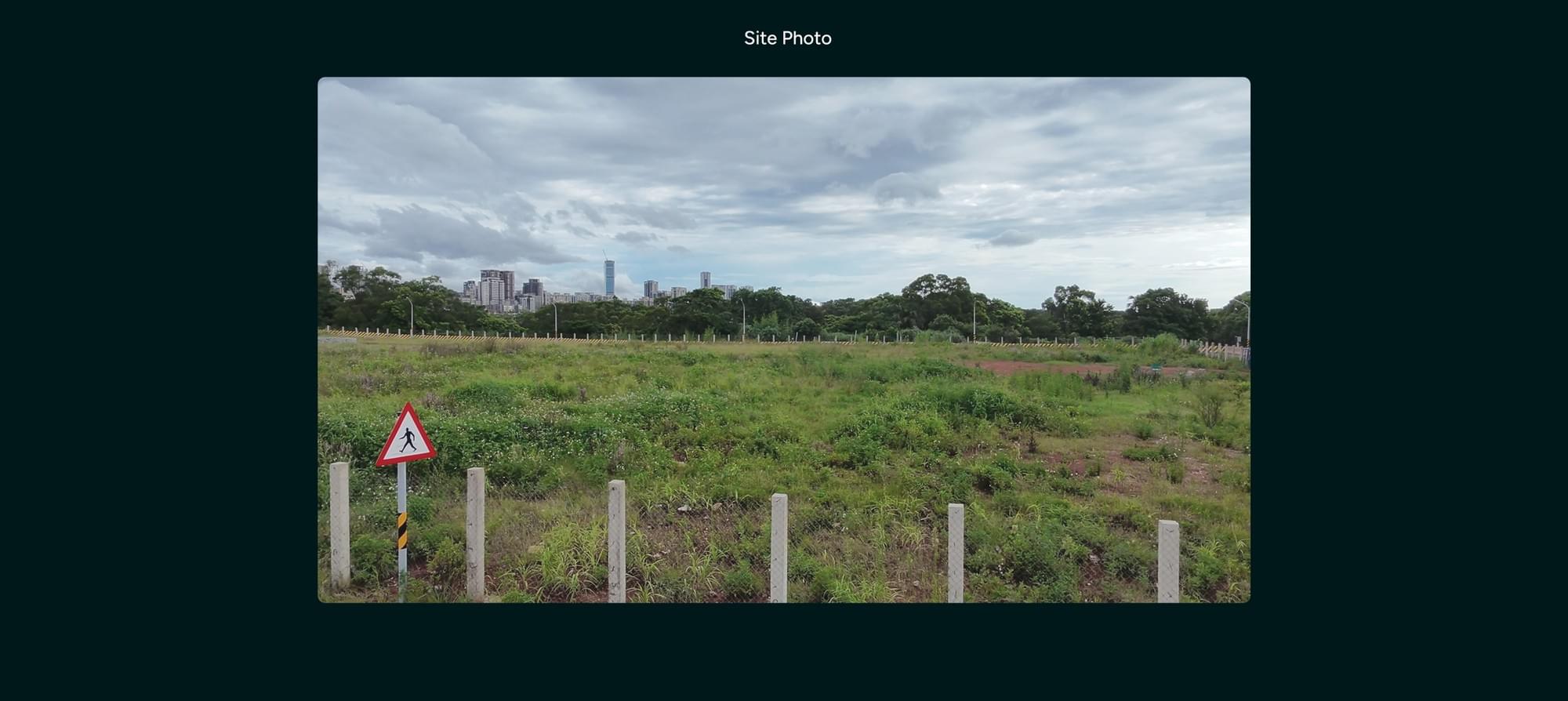
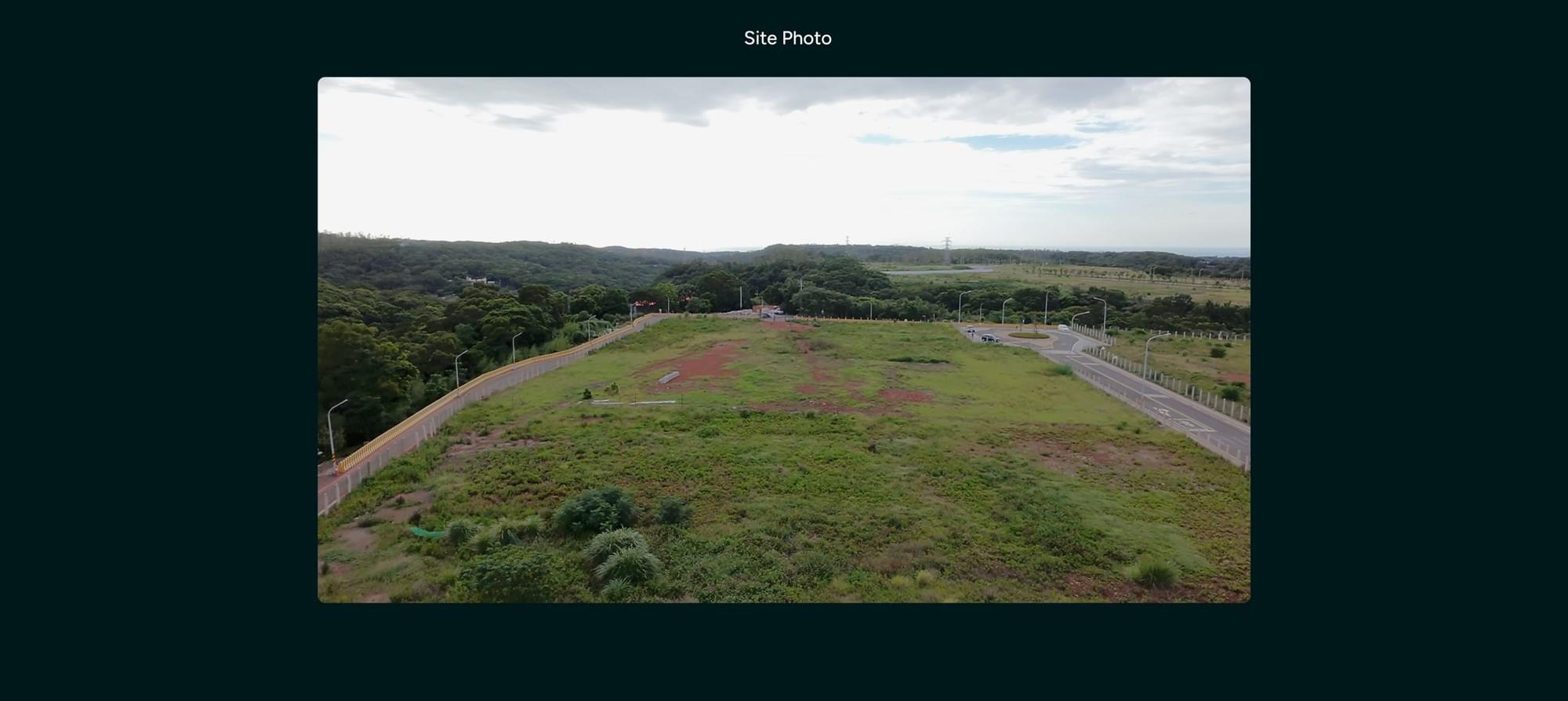
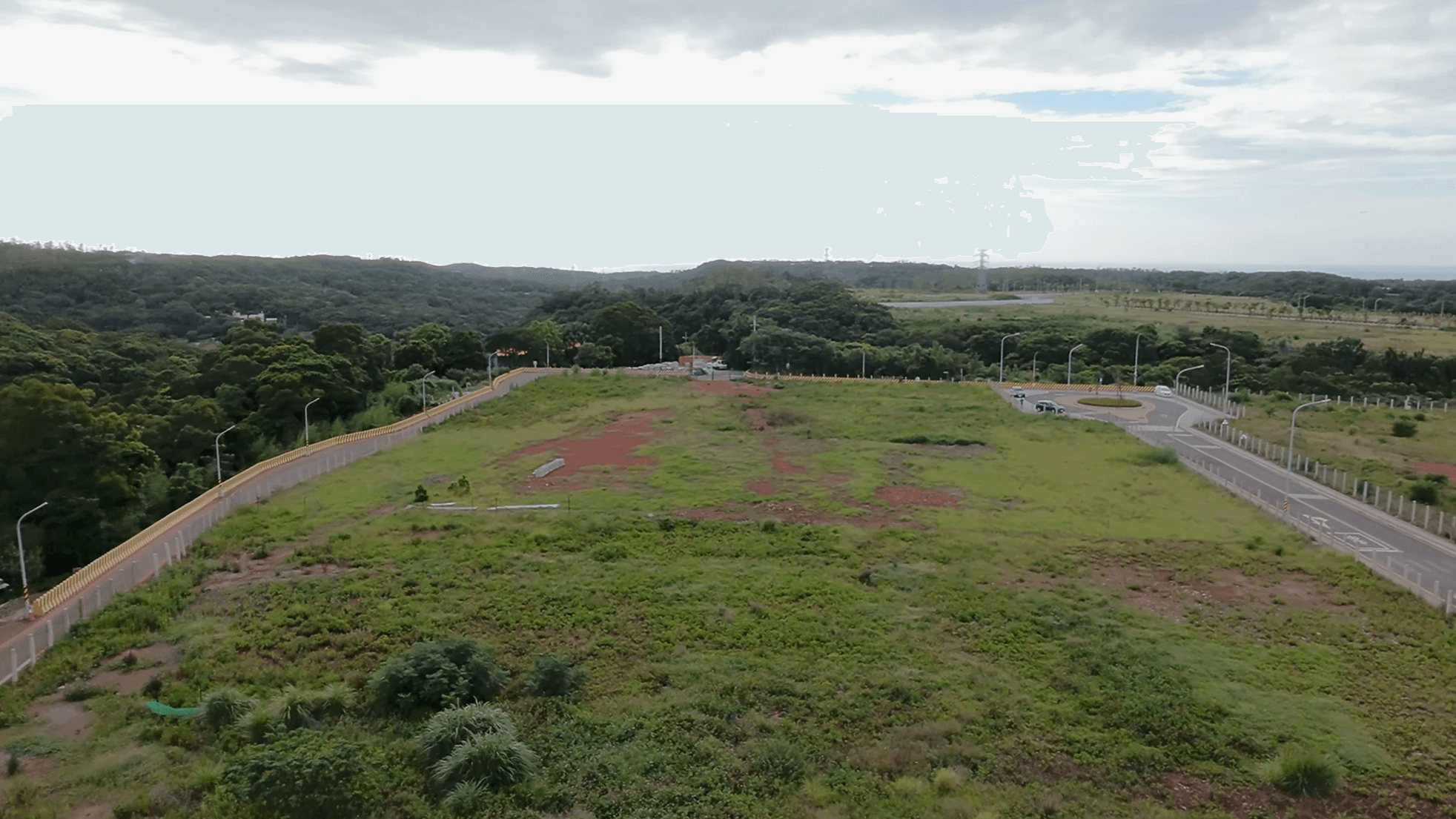
The site in Linkou District lies at the edge where the city meets natural parks, making it a vital transition zone between urban development and ecological landscapes.

Design Scope
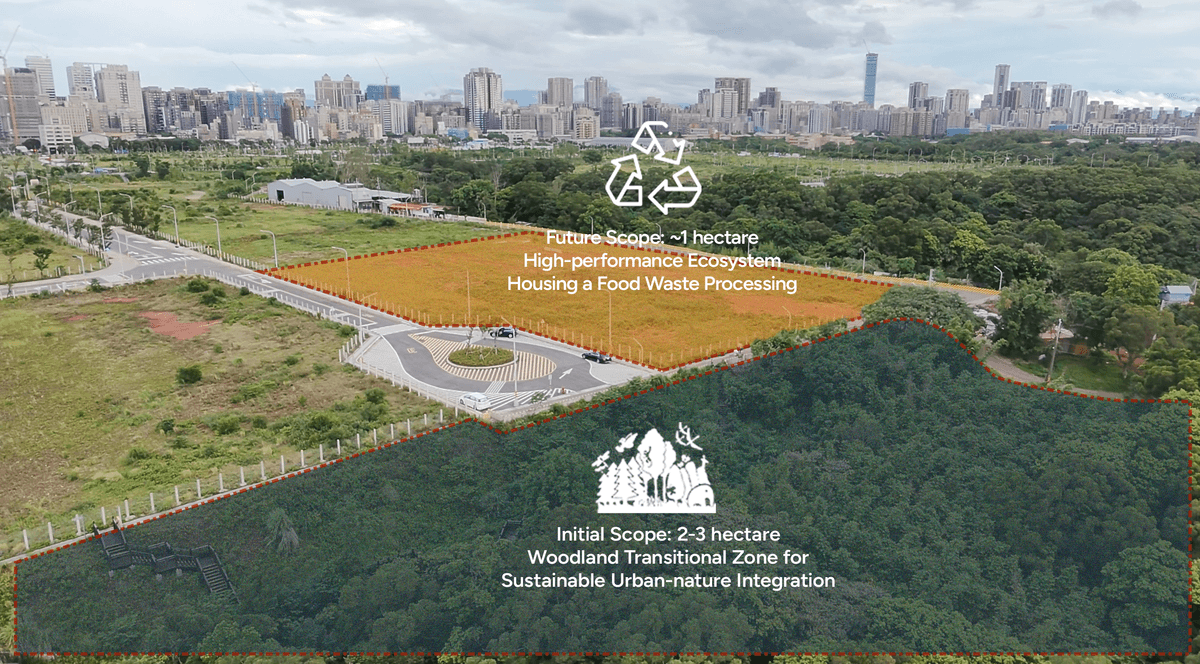
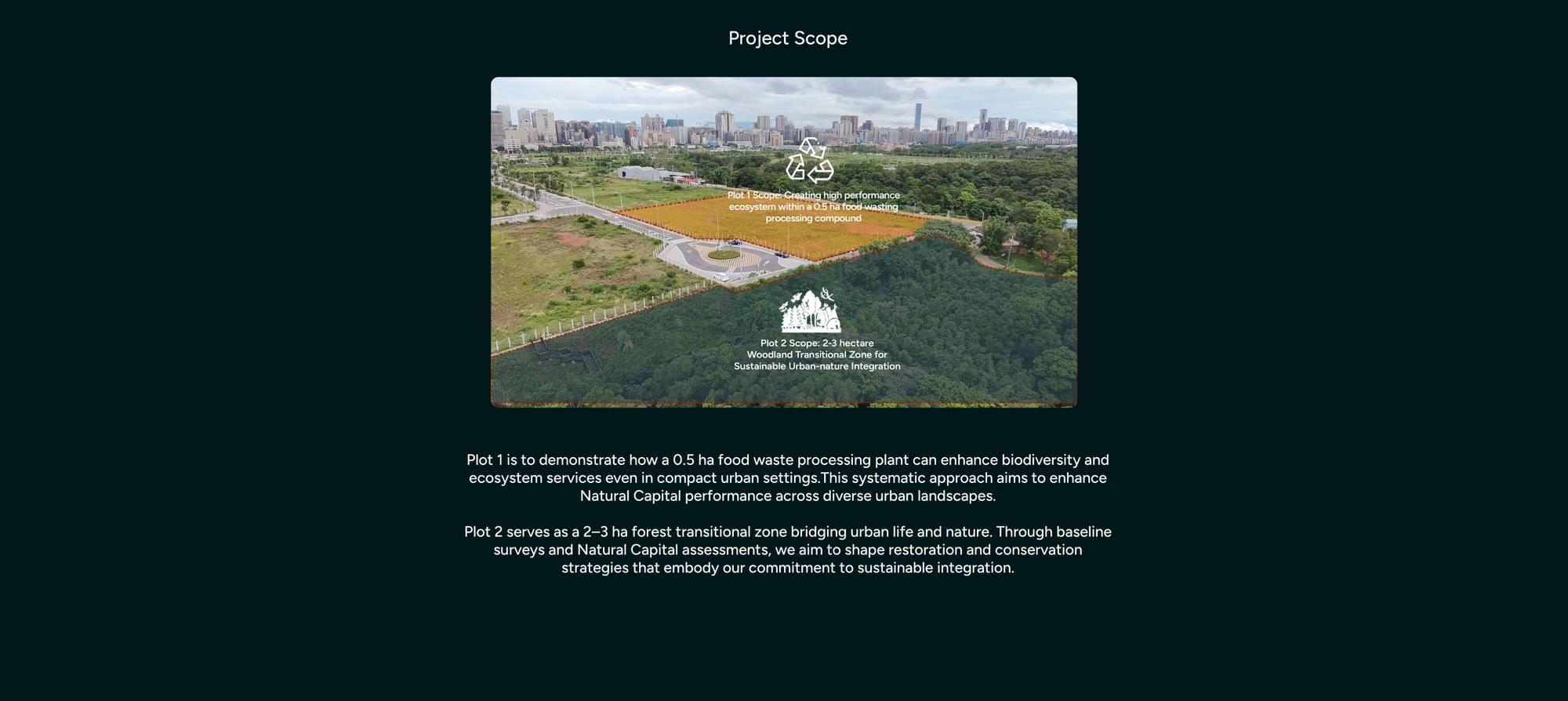
Plot 1 is to demonstrate how a 0.5 ha food waste processing plant can enhance biodiversity and ecosystem services even in compact urban settings.This systematic approach aims to enhance Natural Capital performance across diverse urban landscapes.
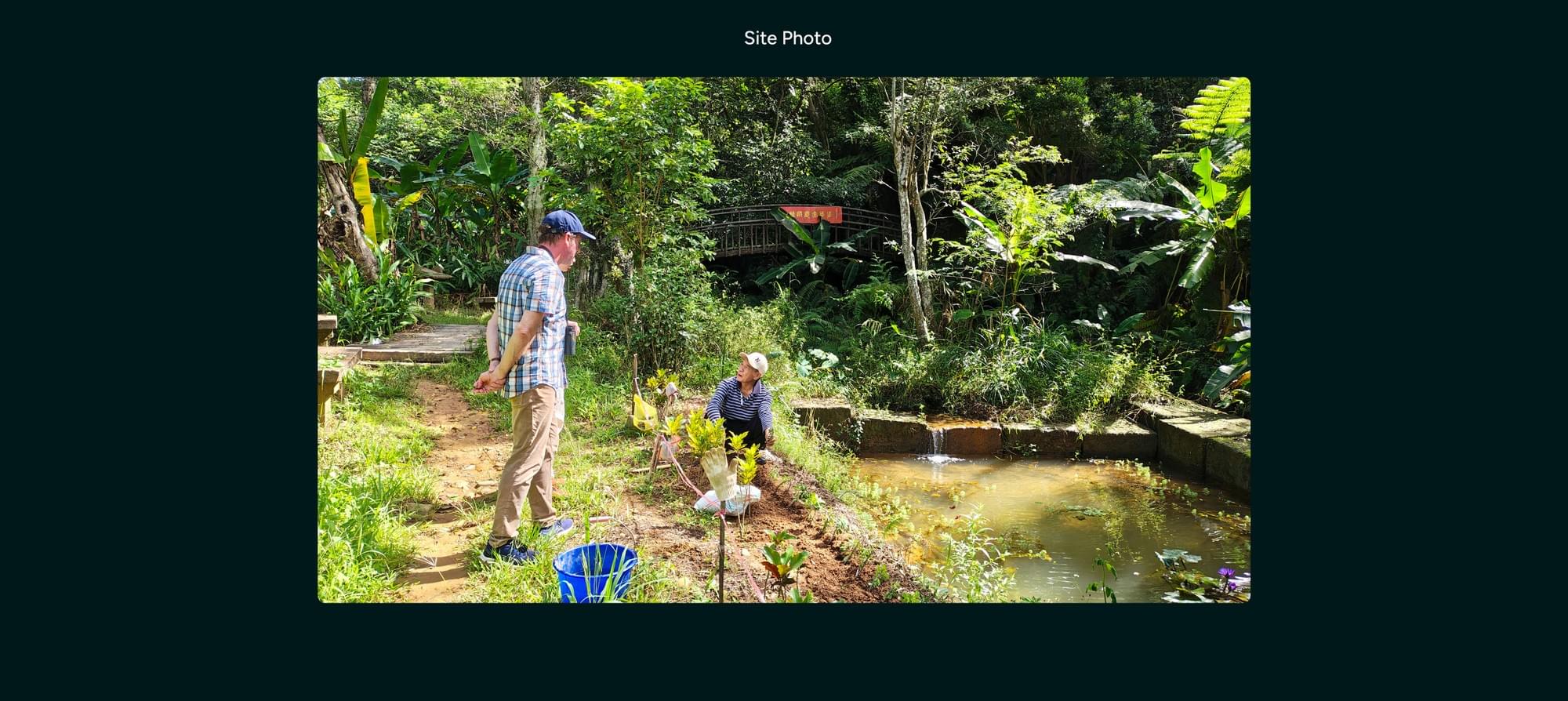
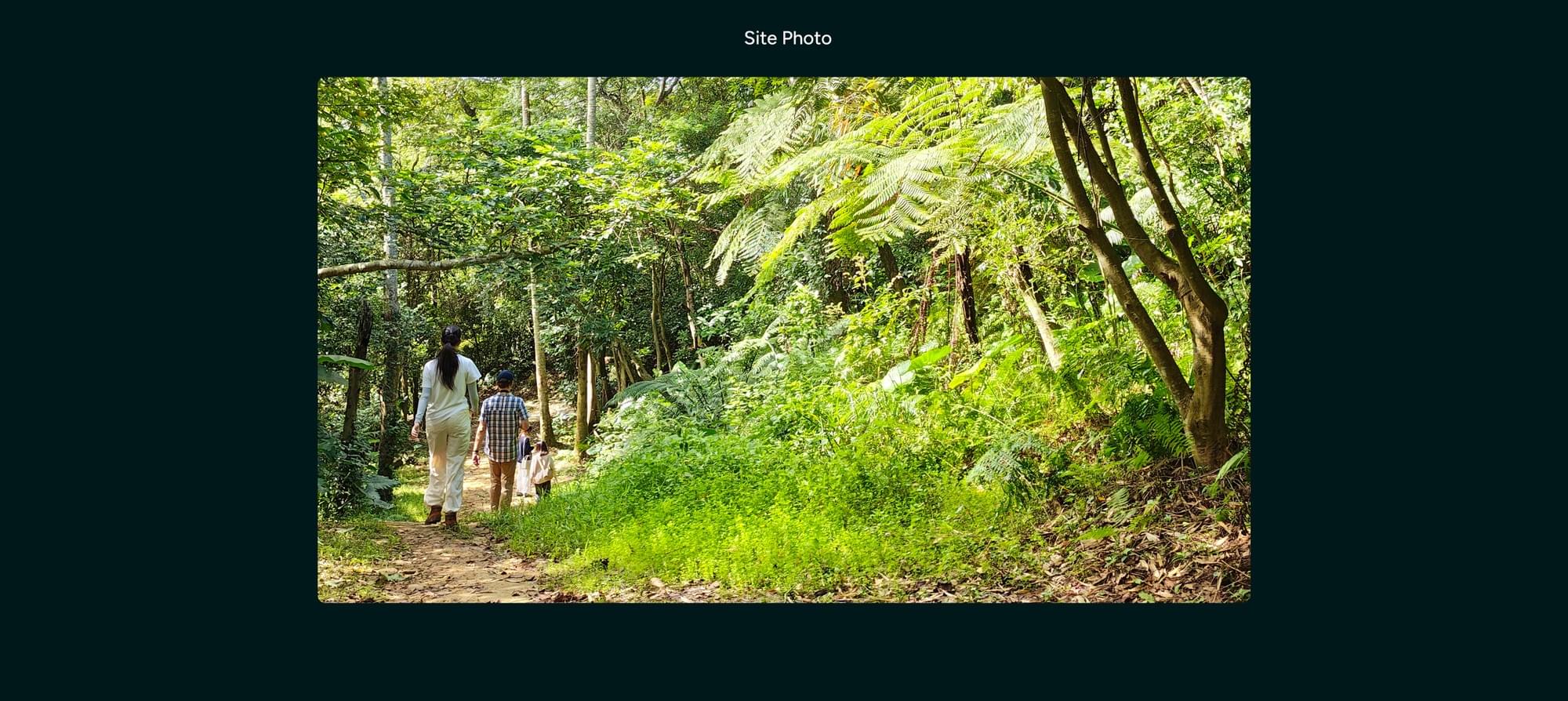
Plot 2 serves as a 2–3 ha forest transitional zone bridging urban life and nature. Through baseline surveys and Natural Capital assessments, we aim to shape restoration and conservation strategies that embody our commitment to sustainable integration.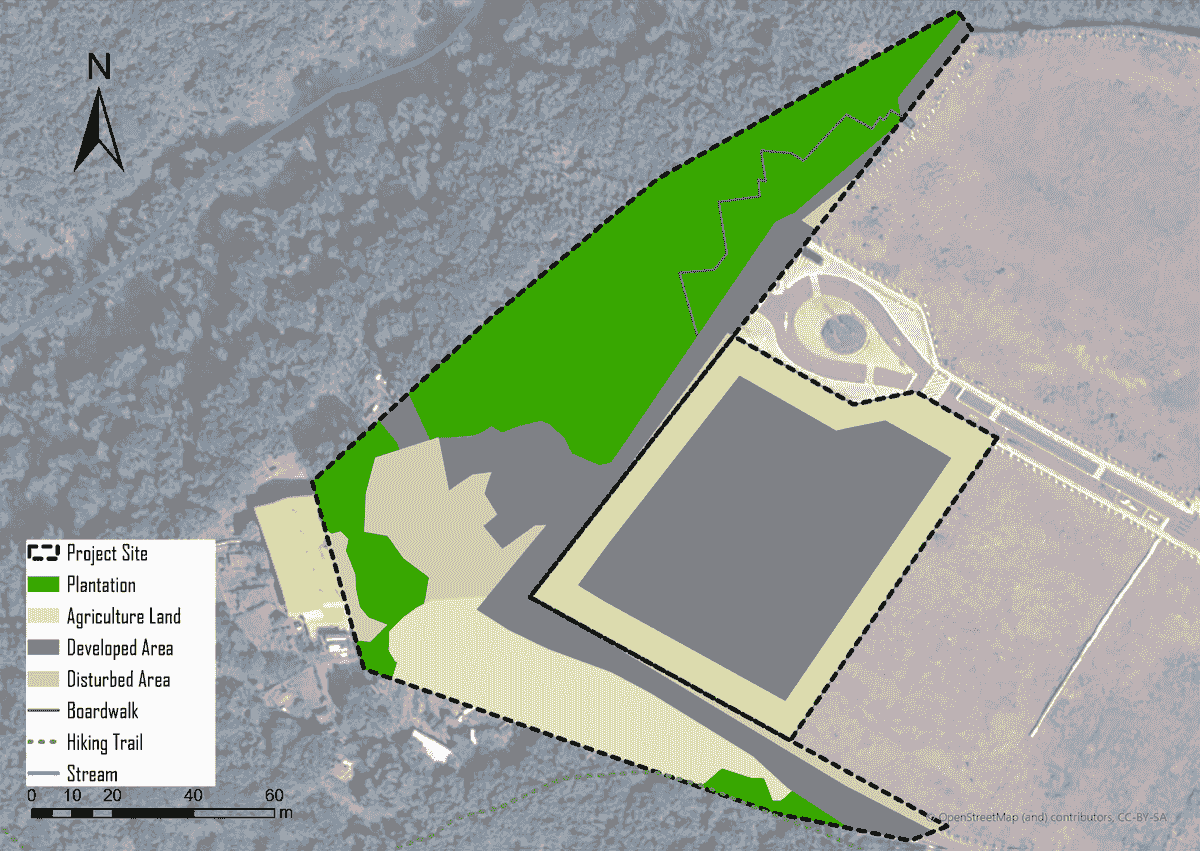
Baseline Habitat Type
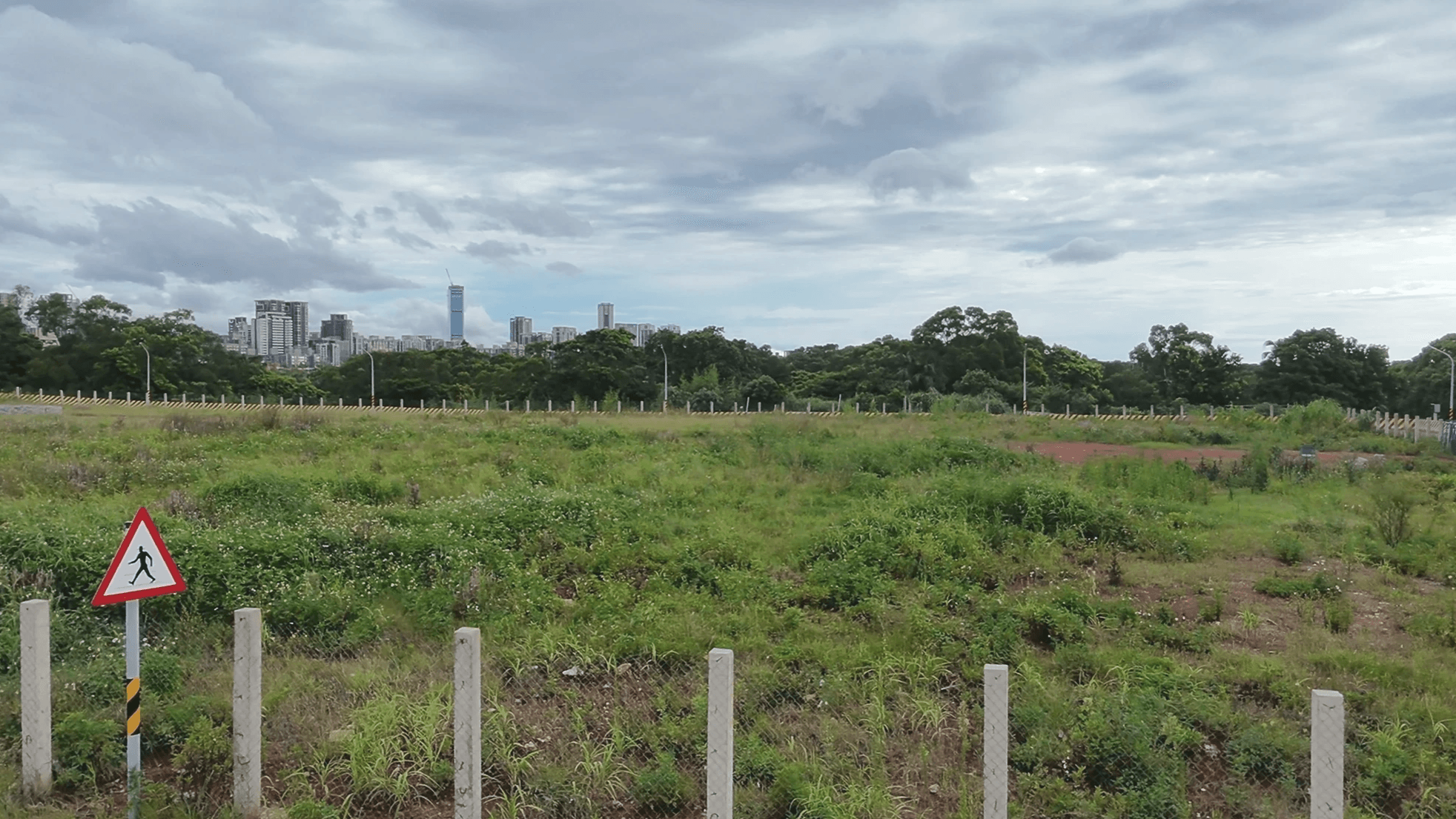
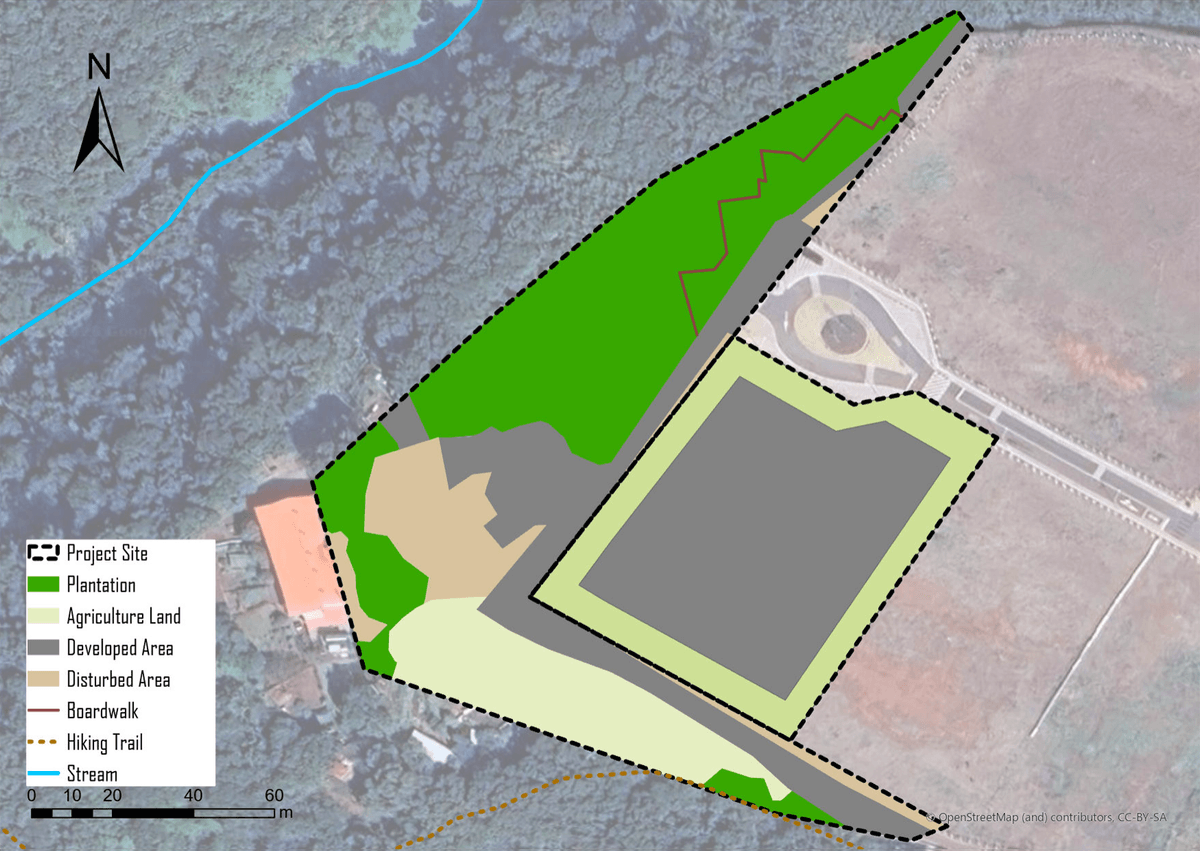
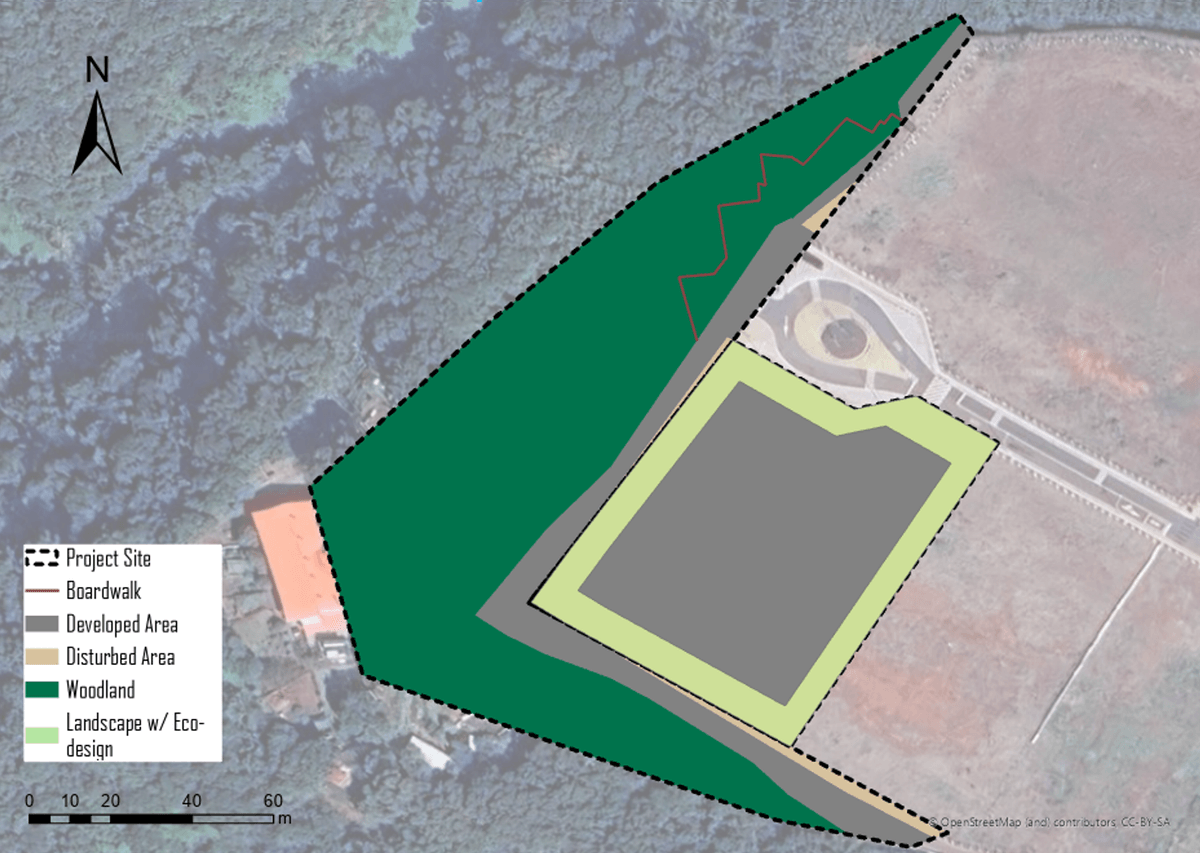
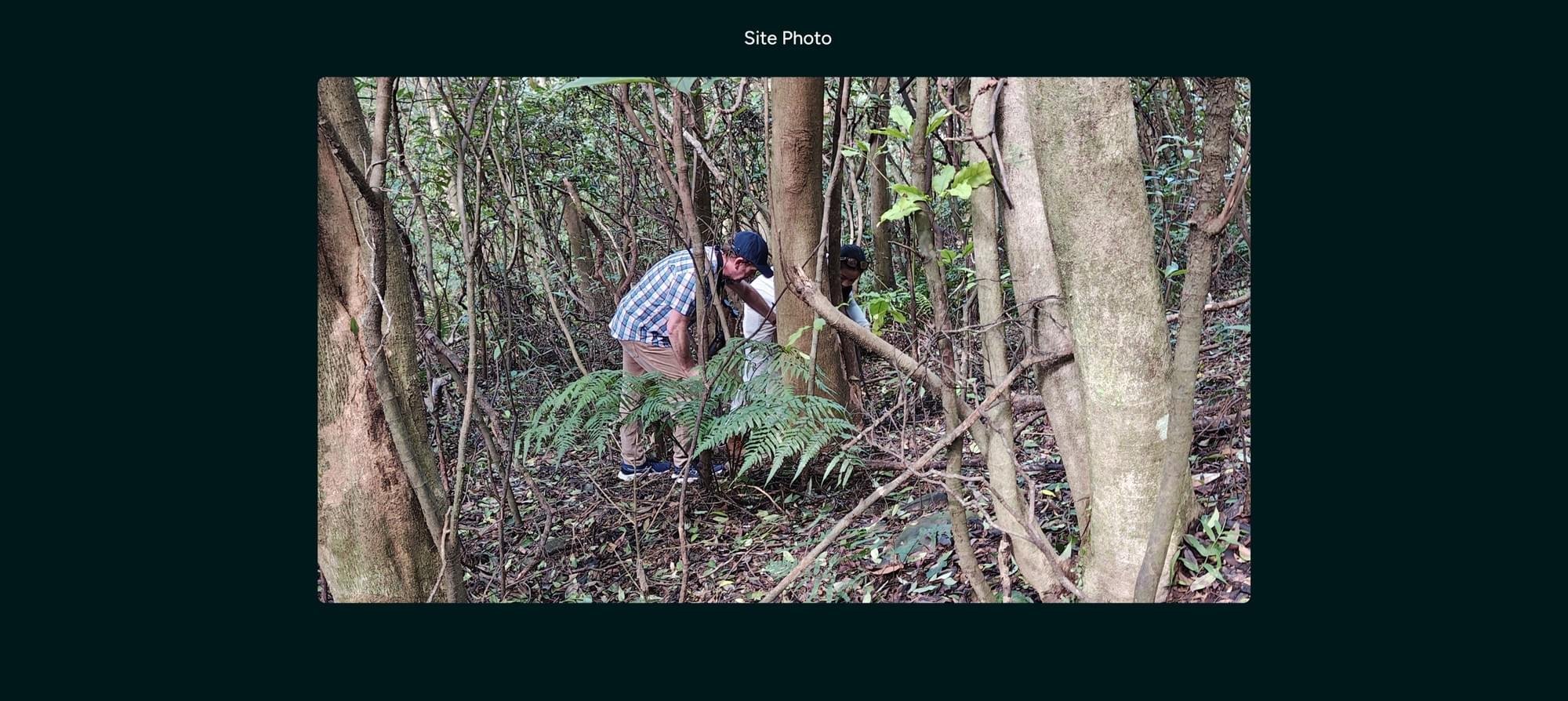
Project Area is separated into 2 parcels: a larger (~1ha) mixed forest area where contains plantation trees and bamboo, and a smaller (~0.5ha) disturbed area which will be developed into food waste processing plant.
Biodiversity Surveys
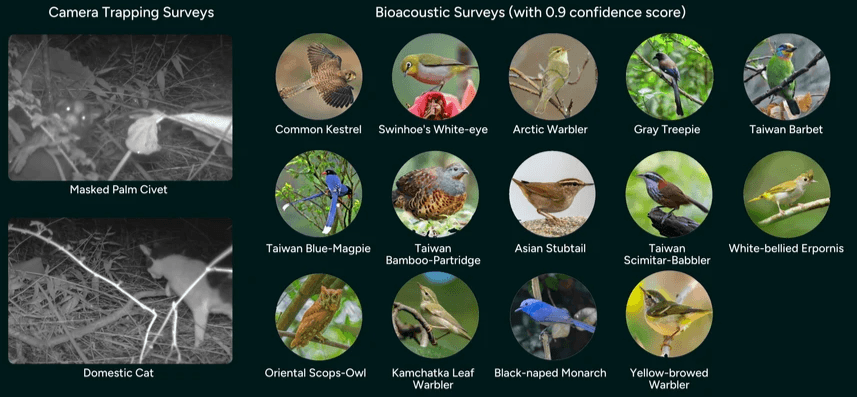
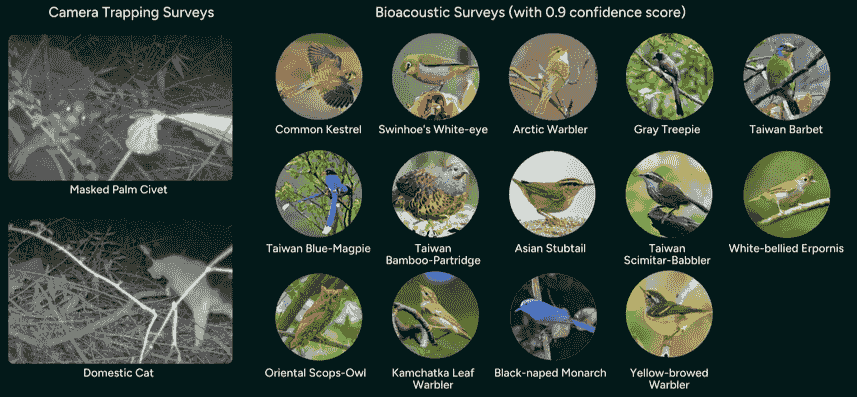
According to Taiwan’s biodiversity database, 736 unique species are within a 2km radius, with 16 protected species under the Act on Wildlife Conservation.
Projection Habitat Type
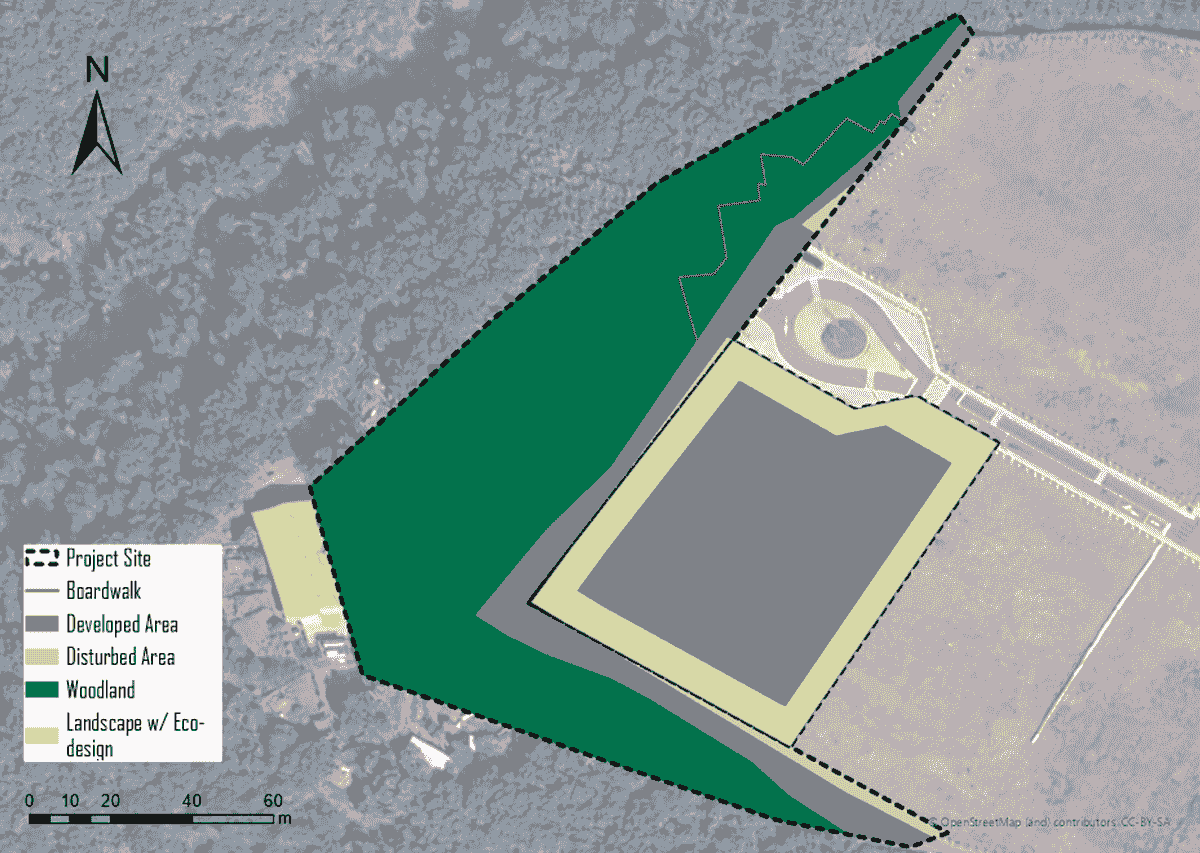
Agriculture land, plantation, developed area and disturbed land in the L-shaped parcel beyond the public concrete road will be converted to woodland habitat, which has a higher ecological value than the baseline habitats. Project team will select native tree species for woodland creation and restoration to enhance ecosystem services function and integrate eco-design into the traditional landscaping area to improve stormwater management and environmental performance.
Natural Capital Index - Uplift Projection
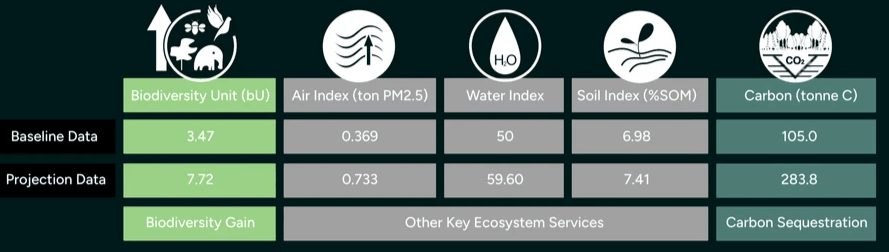
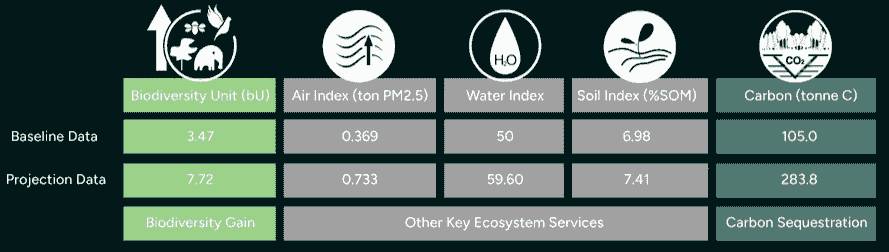
Based on our methodology, from baseline to projection, all metrics show positive change: Biodiversity Unit +122.5% (3.47 → 7.72), Water Unit +19.2% (50 → 59.6), Soil Unit +6.1% (6.98 → 7.41), Air Pollutant Removal Potential from 0.369 to 0.733 kg/yr, and Carbon Sequestration +170.3% (105 → 283.8 tonnes). These improvements collectively point to a significant enhancement of natural capital.