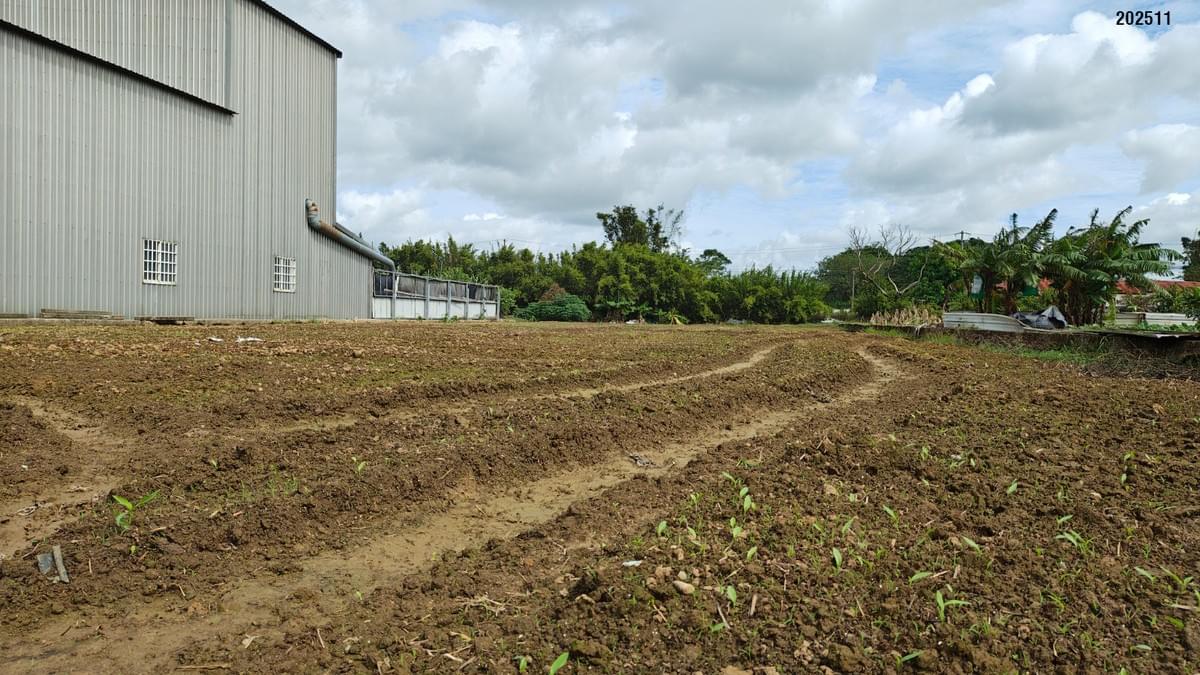
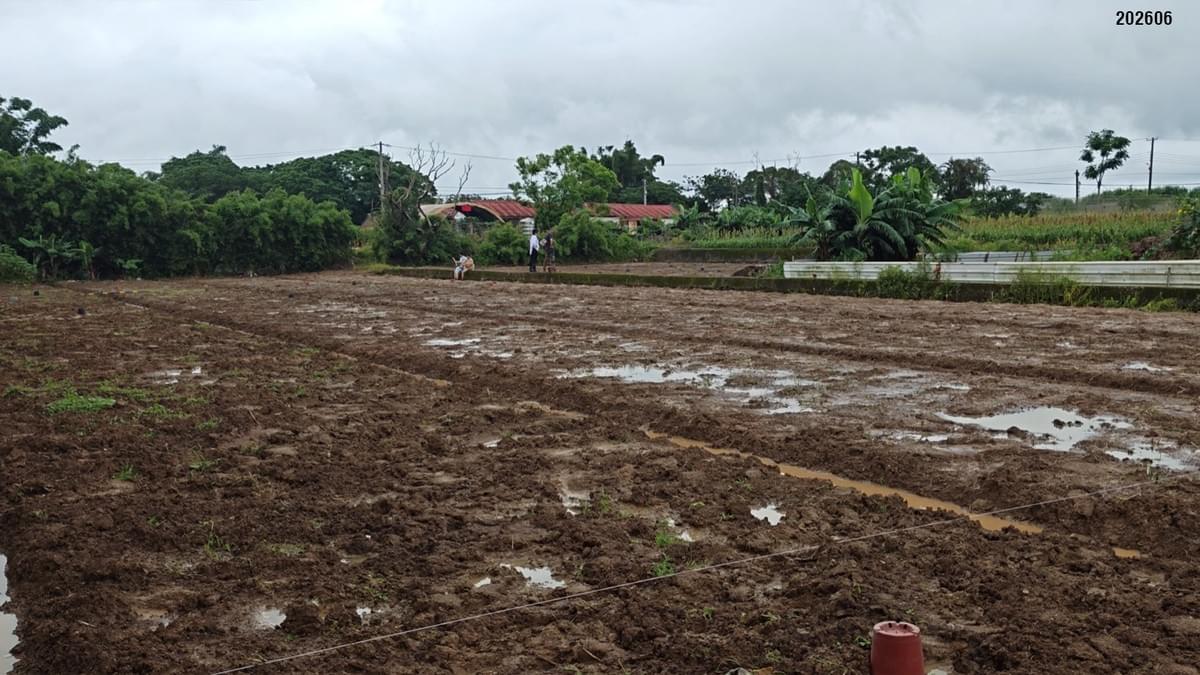
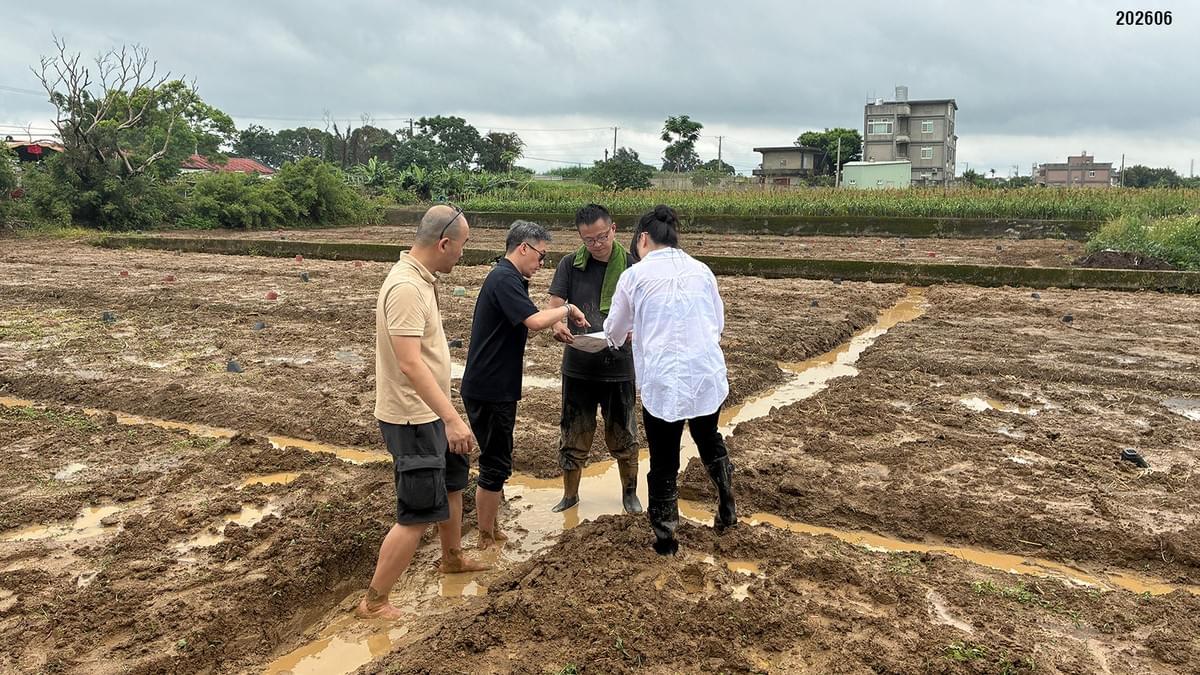
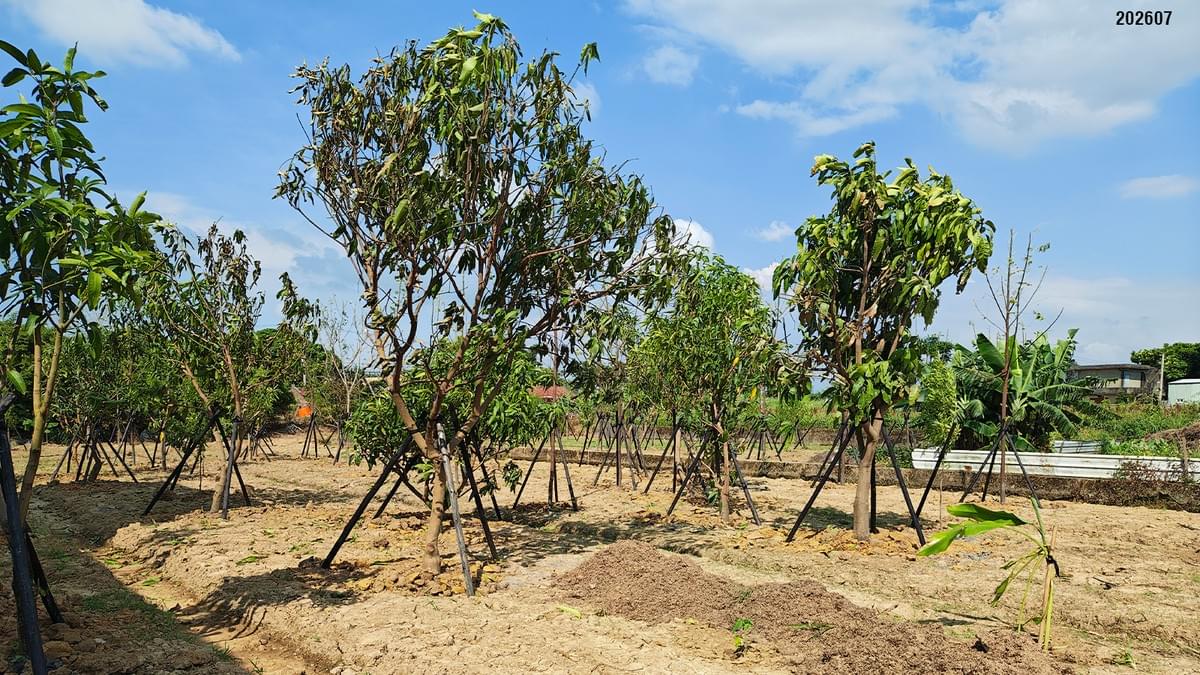
From 26 June to 6 July, Napital carried out the agroforestry implementation at its Taoyuan pilot site, encompassing both site preparation and the planting of biodiversity-oriented species. This period of intensive field activity builds on Stage 1 of the project, where baseline and projection data for the Natural Capital Index (NCi) were established and recorded on-chain.
The planting palette includes native trees selected to strengthen ecological function, such as Formosan Ash (光蠟樹), Taiwanese Pittosporum (臺灣海桐), and Chinaberry (苦楝). These species are integrated alongside mixed woodland, fruit trees — such as Mango (芒果) — and crops within the existing agricultural landscape, reflecting the principles of regenerative farming and sustainable financing. By combining ecological science, data-driven design, and Nature-based Solutions (NbS), the project aims to deliver measurable ecological uplift — strengthening resilience, enhancing biodiversity, and supporting sustainable land use.
This agroforestry initiative is part of Napital’s broader commitment to high-performance ecosystems, ensuring that natural capital investment is transparent, traceable, and impactful. The implementation is made possible through the collaboration of Chung Yuan Christian University, Tsai Yuan Farm, and Hung Chiao Environment-Technology Engineering Inc., whose expertise and partnership are vital to advancing credible ecological monitoring and sustainable land management.
With the woodland planting now completed, the first implementation stage of the Taoyuan agroforestry pilot is achieved. Crop planting will commence next, with further updates on ecological monitoring and pilot progress to be shared in due course.